Examples of Professional Auto Body Work and Auto Repair Examples
When your vehicle suffers damage, professional auto body work restores it to its original condition. I understand how important it is to have reliable repairs that ensure safety and maintain your car’s value. In this post, I share clear examples of professional auto body work and auto repair examples that demonstrate quality and precision. These examples help you recognize what to expect from a trusted collision repair service.
Understanding Auto Repair Examples in Collision Repair
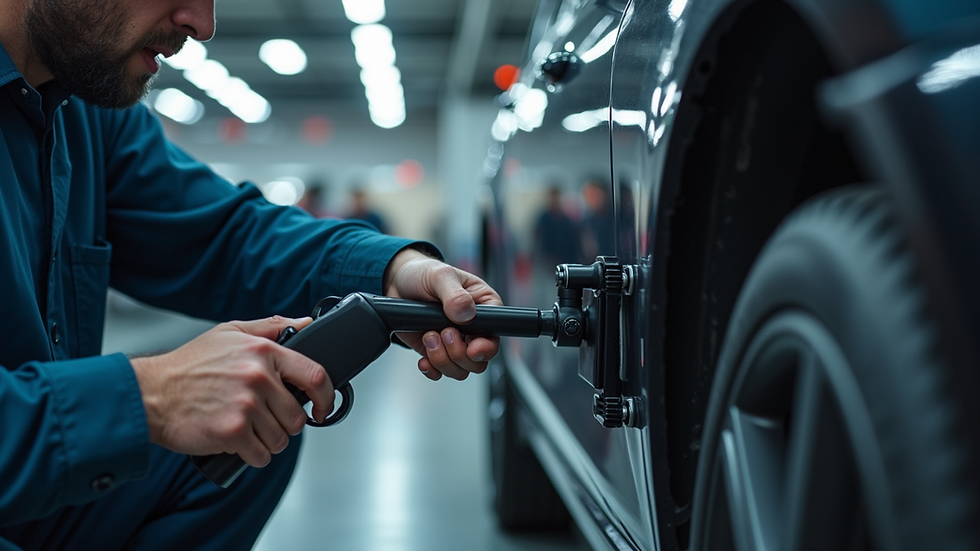
Auto repair examples cover a wide range of services that address vehicle damage after an accident or wear and tear. These repairs include fixing dents, replacing panels, repainting, and restoring structural integrity. For instance, a common repair involves removing dents without damaging the paint. This process requires specialized tools and skills to reshape the metal smoothly.
Another example is frame straightening. After a collision, the vehicle’s frame may bend or twist. Professionals use computerized frame machines to measure and realign the frame to factory specifications. This step is crucial for safety and proper vehicle handling.
Paint matching and refinishing also fall under auto repair examples. A professional shop uses advanced color-matching technology to blend new paint seamlessly with the existing finish. This ensures the repair is invisible and the car looks as good as new.
Common Types of Professional Auto Body Work
Professional auto body work includes several key services that restore your vehicle’s appearance and function. Here are some common types:
Dent Repair: Removing minor dents and dings without repainting, often using paintless dent repair techniques.
Panel Replacement: Removing damaged panels such as doors, fenders, or bumpers and installing new ones.
Scratch and Paint Repair: Sanding, priming, and repainting areas with scratches or paint damage.
Rust Repair: Cutting out rusted metal and welding in new metal to prevent further corrosion.
Glass Replacement: Replacing cracked or shattered windshields and windows.
Frame Repair: Straightening or replacing bent frame components to restore structural integrity.
Each of these services requires precision and experience. For example, dent repair without repainting preserves the original paint and saves time. Panel replacement demands exact fitment to maintain the vehicle’s design and safety features.

Which Car Color Is Hardest to Maintain?
When considering auto body work, the color of your car affects maintenance and repair complexity. Dark colors like black and navy blue are the hardest to maintain. They show scratches, swirl marks, and dirt more easily than lighter colors. Repairing paint on dark-colored cars requires extra care to avoid visible imperfections.
White and silver cars are easier to keep clean and hide minor scratches better. However, they can show rust stains or dirt buildup if not washed regularly. Red cars fall somewhere in between, with vibrant colors that may fade faster under sun exposure.
If your vehicle needs repainting, professionals match the exact shade and finish. They also apply clear coats that protect the paint and enhance durability. Choosing a color that fits your lifestyle can reduce the frequency of touch-ups and keep your car looking fresh longer.
How Professionals Handle Complex Collision Repairs
Complex collision repairs involve multiple steps and require coordination between different specialists. For example, after a severe accident, the repair process may include:
Damage Assessment: Inspecting the vehicle to identify all visible and hidden damage.
Disassembly: Removing damaged parts to access underlying components.
Structural Repair: Straightening or replacing frame parts to restore safety.
Mechanical Repair: Fixing suspension, brakes, or engine components affected by the collision.
Body Work: Repairing dents, replacing panels, and smoothing surfaces.
Painting: Applying primer, paint, and clear coat with precise color matching.
Reassembly and Quality Check: Putting the vehicle back together and testing all systems.
This thorough approach ensures the vehicle is safe to drive and looks like new. Professionals use advanced tools and follow manufacturer guidelines to maintain warranty and resale value.
Why Choose Professional Auto Body Repair Services?
Choosing professional auto body repair services guarantees quality results and peace of mind. Professionals have the training, equipment, and experience to handle all types of damage. They also work with insurance companies to streamline the claims process.
Here are some benefits of professional repairs:
Safety: Proper repairs restore structural integrity and safety features.
Appearance: Expert paint matching and body work preserve your vehicle’s look.
Value: Quality repairs maintain your car’s resale value.
Warranty: Many shops offer warranties on their work for added confidence.
Efficiency: Professionals complete repairs faster with fewer errors.
If you want stress-free, comprehensive collision repair, trust a reputable shop that provides clear communication and transparent pricing. This approach makes the recovery process smooth and hassle-free.
For more detailed auto body work examples, you can explore professional portfolios or ask your repair shop for case studies. Seeing real results helps you understand the quality and scope of services available.
Taking Care of Your Vehicle After Repairs
After professional auto body work, proper care extends the life of the repairs. Here are some tips:
Wash your car regularly to remove dirt and contaminants.
Avoid harsh chemicals or abrasive cleaning tools.
Park in shaded areas to protect paint from UV damage.
Address chips or scratches promptly to prevent rust.
Follow any specific care instructions provided by your repair shop.
Regular maintenance keeps your vehicle looking great and prevents minor issues from becoming costly repairs.
By understanding these examples of professional auto body work and auto repair examples, you can make informed decisions when your vehicle needs collision repair. Quality repairs protect your investment and keep you safe on the road.


Comments